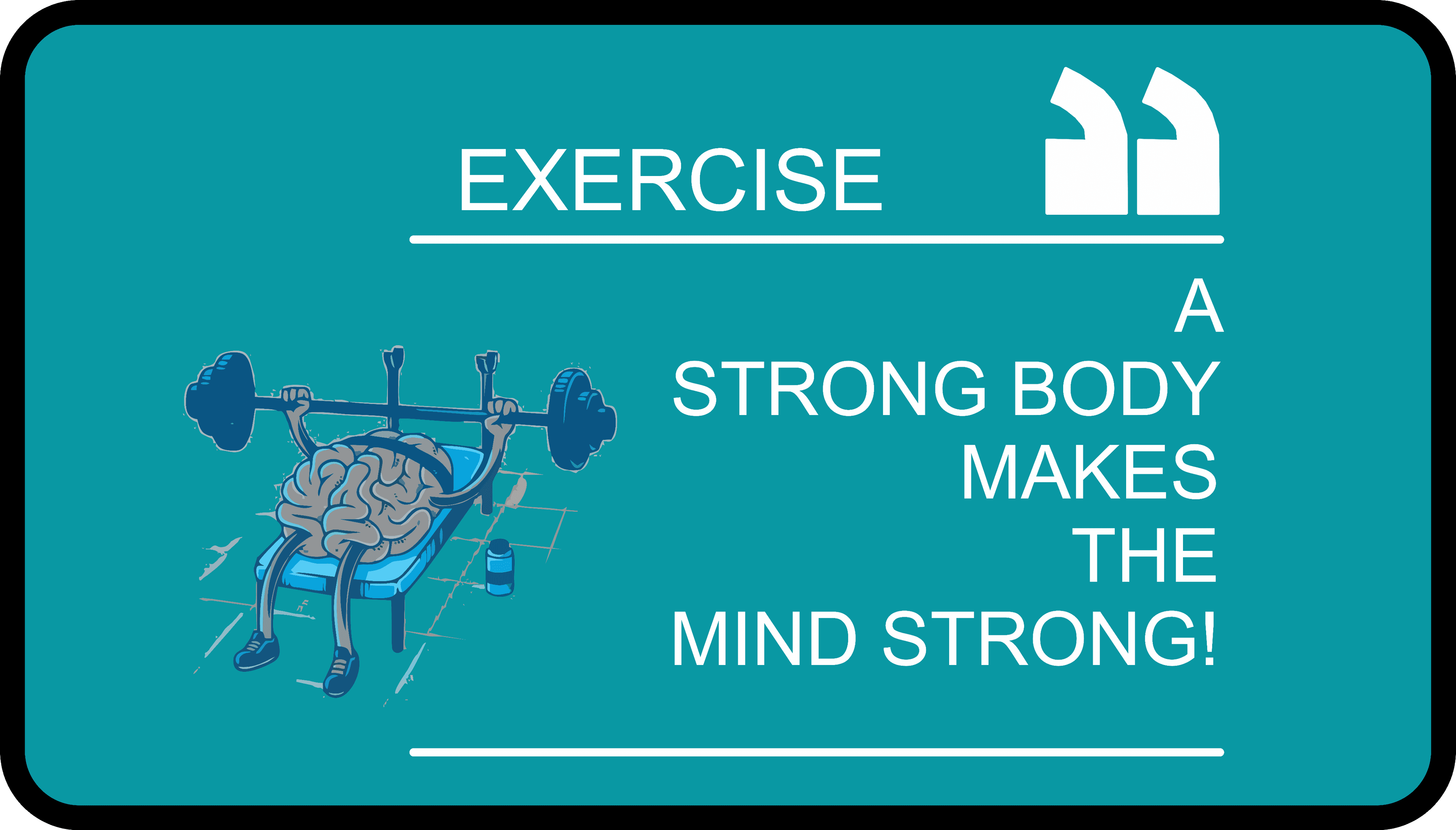
A Strong Body Makes the Mind Strong
This profound connection between physical and mental health has been recognized throughout history, yet it's often overlooked by students focused solely on academic pursuits. Exercise is not a distraction from your studies—it's an essential component of academic excellence.
Physical activity triggers numerous beneficial changes in the brain. It increases blood flow, delivering more oxygen and nutrients to brain cells. It stimulates the production of brain-derived neurotrophic factor (BDNF), which promotes the growth of new neurons and strengthens existing neural connections. Regular exercise enhances memory formation, improves concentration, and boosts cognitive processing speed.
Beyond the biological benefits, exercise provides crucial mental health support. It reduces stress hormones like cortisol while increasing endorphins—natural mood elevators. Students who exercise regularly report better sleep quality, reduced anxiety, and improved ability to handle academic pressure. The discipline required to maintain an exercise routine also translates into better study habits and time management.
You don't need to become an athlete to reap these benefits. Even moderate activities like brisk walking, cycling, or dancing for 30 minutes daily can significantly enhance cognitive function. The key is consistency and finding activities you enjoy, making exercise a sustainable part of your routine rather than a temporary effort.
Think of exercise as sharpening your most important tool—your mind. Just as you wouldn't use a dull blade for precision work, don't expect peak mental performance from a body deprived of physical activity.